(2).jpg "Easy trav tourism")
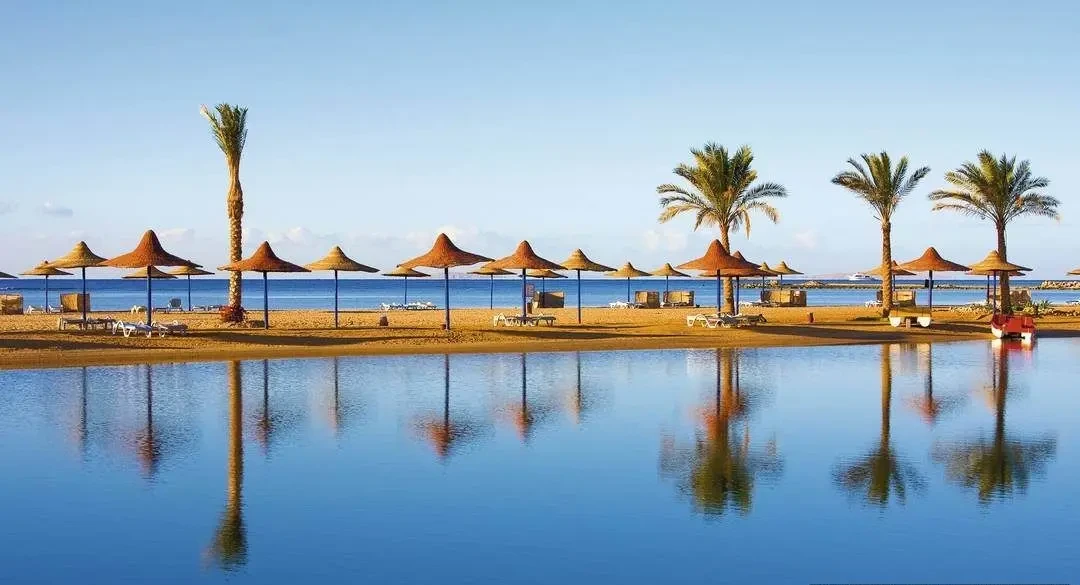 Hurghada
 Marsa Alam
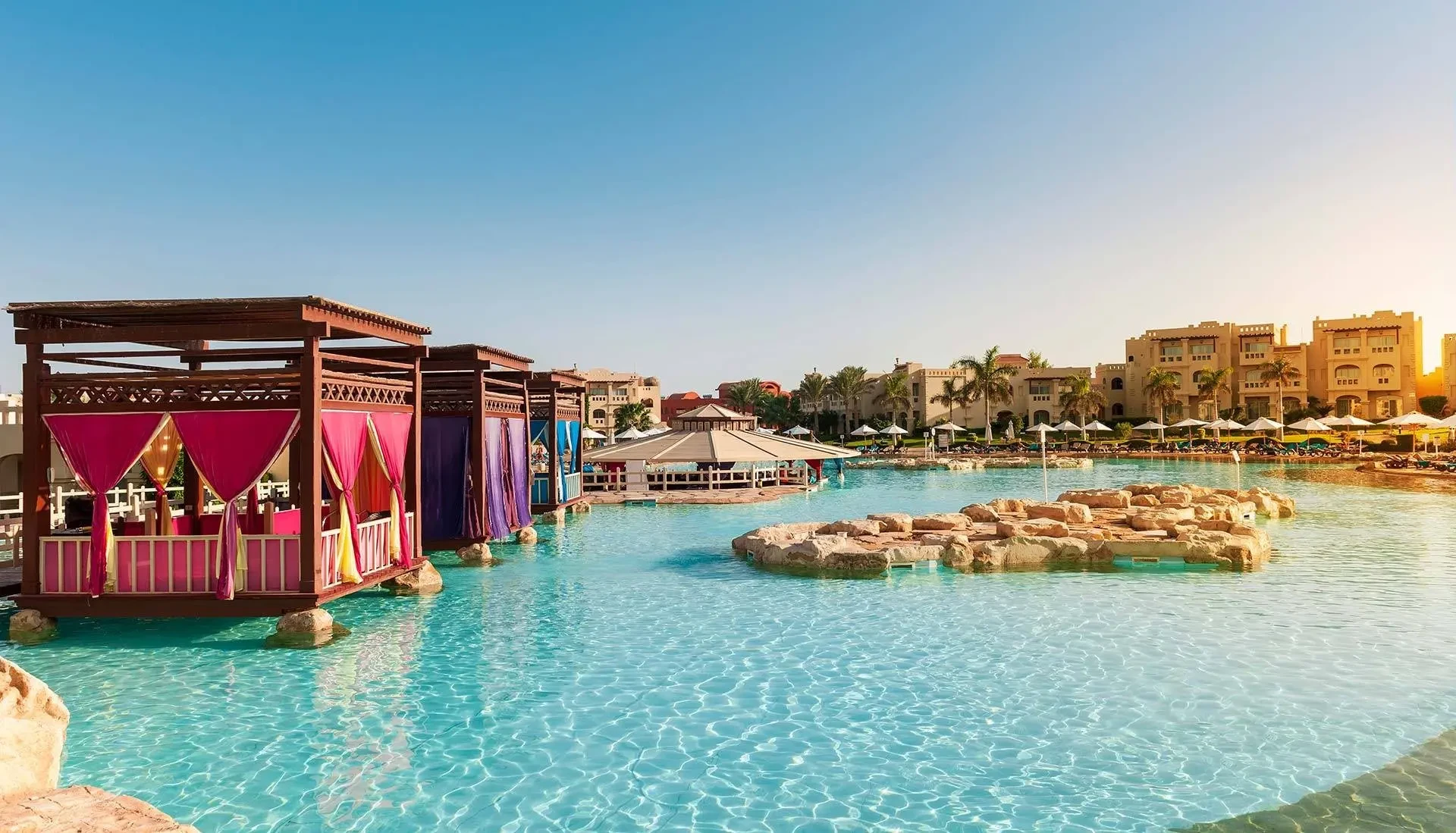 Sharm El-Sheikh
.webp "Cairo") Cairo
Cairo Marsa Matrouh
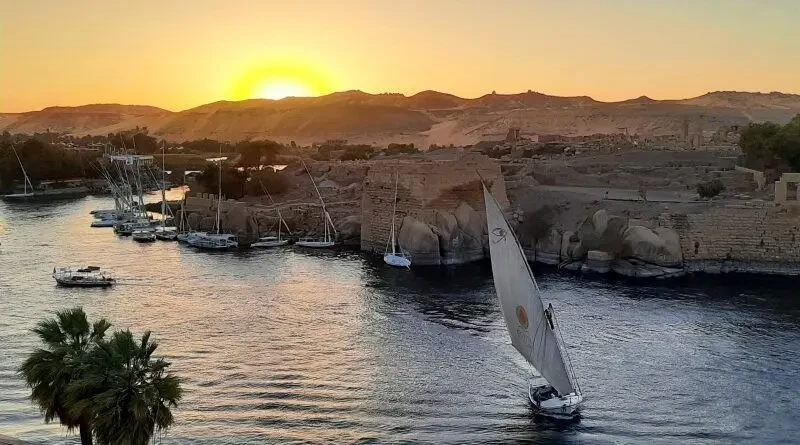 Aswan
Aswan
Valley of the Kings: The Royal Tombs of Ancient Egypt
 (2).jpg "Valley of the Kings – Royal Tombs of Ancient Egypt in Luxor")
Valley of the Kings exists as one of the most significant archaeological sites across the globe because its location in the golden cliffs that touch the Nile's west bank near Luxor serves as its home. The sacred valley functioned as the burial site for Egypt's New Kingdom pharaohs who ruled during that time and buried their remains there. The rulers received their final resting place inside tombs which included intricate decorations and hallowed mountain burial sites that contained their afterlife treasures during a period of 500 years.
The Valley of the Kings provides an Upper Egypt tour experience which enables visitors to explore the religious beliefs and artistic achievements and royal customs of ancient Egyptian society. The architects built underground tombs to protect their contents from tomb robbers while maintaining hidden access which leads to their stunning colorful and intricate interior designs.
Inside the Royal Tombs
The valley contains distinct burial sites which showcase their own unique characteristics. The burial sites feature long descending passages which lead to their underground interment areas that display vibrant hieroglyphics together with Book of the Dead scenes. The illustrations functioned as spiritual guides which assisted the pharaoh in his afterlife journey according to their intended purpose.
The most well-known burial sites include Tutankhamun's tomb which archaeologists found almost completely preserved during their 1922 discovery and the royal burial site which belongs to Ramesses II's descendants. The walls of the building maintain their value as ancient artistic creations despite the fact that many priceless artifacts went to museums.
Why the Valley Was Chosen
The remote valley location makes it suitable because it has a natural pyramid-shaped peak which overlooks the entire site. The desert landscape provided security while it also represented ancient Egyptian beliefs about rebirth and eternal life.
The selection of this site for royal burials ended the practice of pyramid construction which occurred during earlier times because both security matters and religious practices had evolved.
Art, Symbolism & Afterlife Beliefs
The tomb paintings display divine beings together with heavenly diagrams and ceremonial activities. The divine beings Osiris Ra and Anubis appear multiple times throughout the text to steer and defend the deceased monarch. The ceilings feature designs which display starry night skies because they represent the celestial realm.
Egypt travelers who want to experience ancient Egyptian civilization from more than three thousand years ago can feel emotional connections through direct observation of these preserved colors and detailed patterns.
Tips for Visiting
The best time to visit the site is early morning because this time offers both low visitor numbers and cooler temperatures.
The standard ticket package provides access to three separate burial sites but visitors need to obtain special tickets for specific royal burial sites.
Visitors should confirm photography regulations because they differ between different locations.
Visitors need to wear comfortable footwear because they will walk through desert ground when going from one tomb entrance to another.
Combine with West Bank Highlights
Visitors to the Valley of the Kings frequently visit nearby attractions which include the Temple of Hatshepsut and the Colossi of Memnon to create a complete day tour of Luxor's West Bank that Egypt tour itineraries provide.
Related Tours



Related Articles
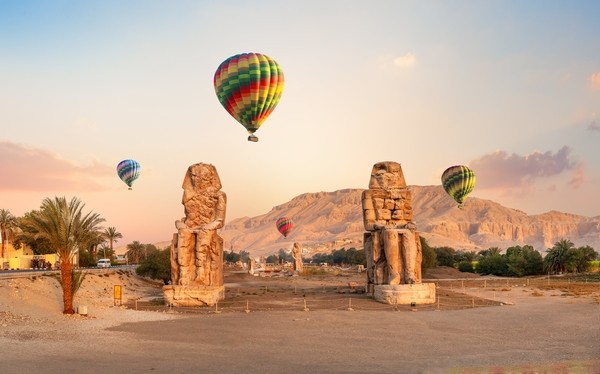
 (1).jpg "Colossi of Memnon – Ancient Statues in Luxor, Egypt")
Colossi of Memnon: Iconic Guardians of Ancient Thebes
Your Egypt tour will take you to the Colossi of Memnon which protect the Theban Necropolis through two giant statues that stand watch over the site in Luxor.
MORE INFORMATION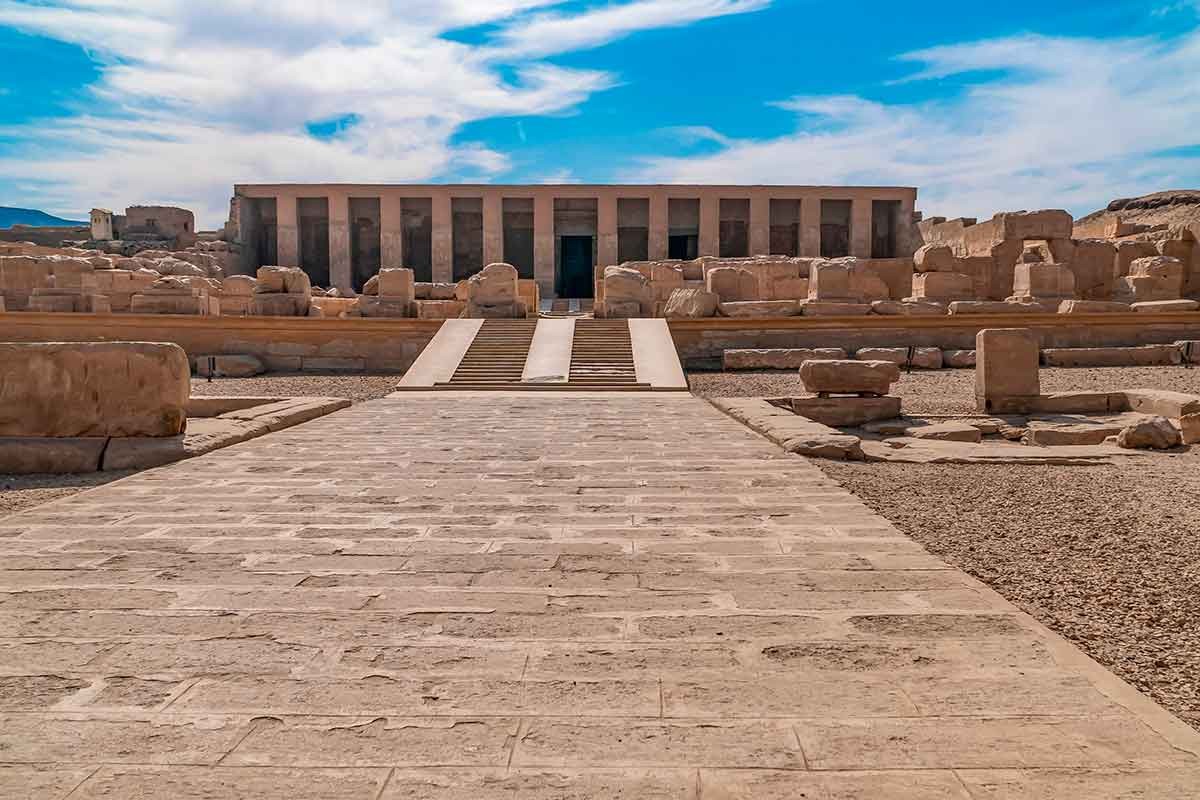
Abydos Temple
Discover the ancient wonders of the Abydos Temple, one of the top things to do in Luxor. Explore this sacred archaeological site on a private Luxor day tour or Egypt day tour, admire its remarkable carvings, uncover ancient Egyptian history, and enjoy an unforgettable journey through one of Egypt's most iconic historical landmarks.
MORE INFORMATION (1).jpg "Karnak Temple – Largest Ancient Temple Complex in Luxor")
Karnak Temple: The Largest Religious Complex in Ancient Egypt
During your Egypt tour, you can visit Karnak Temple which serves as one of the world's largest temple complexes, allowing you to see its immense columns and holy spaces.
MORE INFORMATION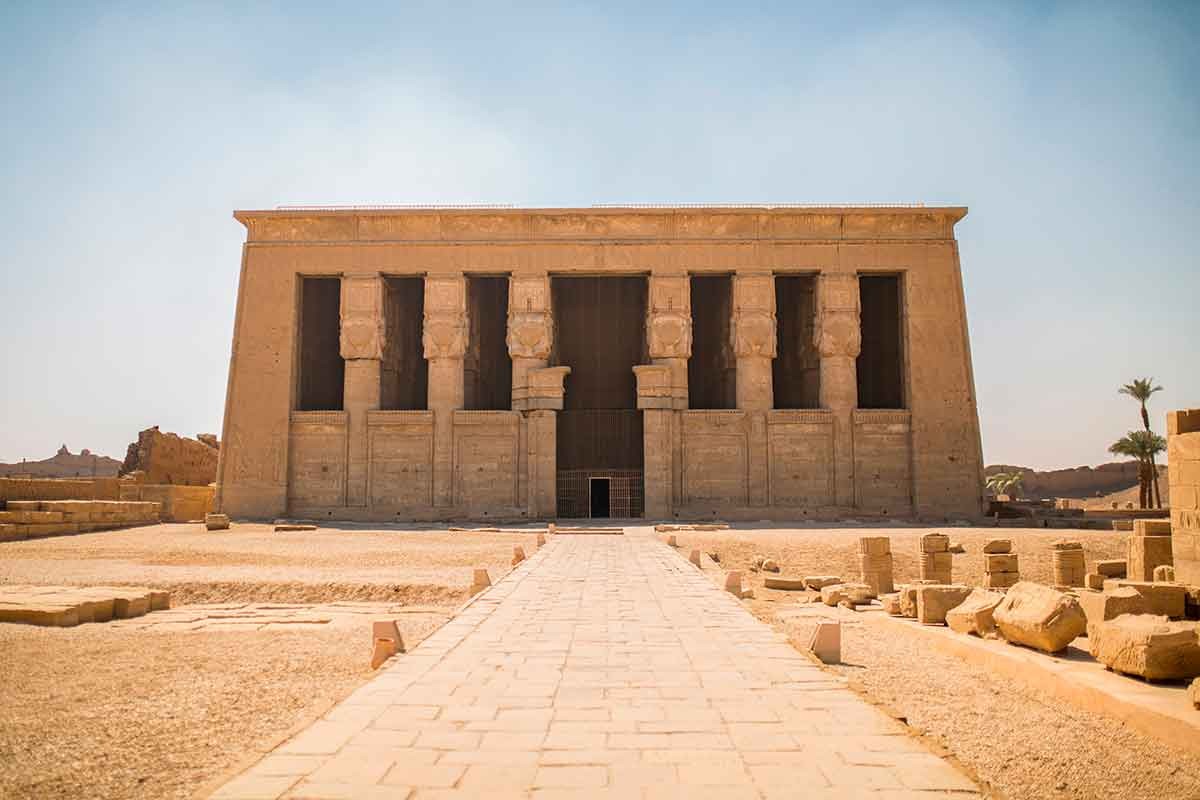
Dendera Temple: Complete Travel Guide
Dendera Temple, Egypt, is one of the best-preserved ancient temples near Luxor and, honestly, a must for history lovers to see. People go for the colorful ceilings and the detailed carvings and, of course, for the Dendera Zodiac. It tends to be a real highlight on any Luxor day trip, plus it’s counted among the top places to visit in Upper Egypt.
MORE INFORMATION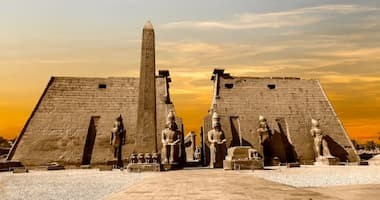
Luxor Temple: A Timeless Monument in the Heart of Ancient Thebes
Luxor Temple stands among Egypt's most beautiful ancient temples because visitors can observe its stunning statues during nighttime hours.
MORE INFORMATION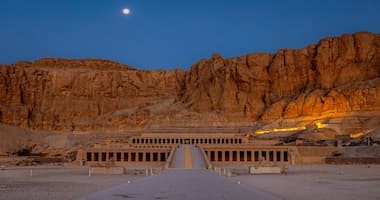
Temple of Hatshepsut: Egypt’s Architectural Marvel in Luxor
The Temple of Hatshepsut in Luxor presents visitors with an exceptional ancient mortuary temple which demonstrates Egypt's architectural excellence during their Egypt tour.
MORE INFORMATION
Where would you like to be?
Subscribe now and unlock exclusive Egypt tour deals, insider tips on luxury Nile cruises, Pyramids adventures, and dream vacations tailored for you.