Copts in Egypt


The Copts are considered the direct descendants of the ancient Egyptians. Their language has much in common with the language of ancient Egypt. Louis Champollion successfully used it during the initial decoding of hieroglyphs. Today, the Coptic language is almost unused and is preserved only in churches.

Nowadays, Copt is the name given to every follower of Christian teachings living in the territory of Egypt and Ethiopia. Very often, a Copt is distinguished from a Muslim by a small cross tattoo on their wrist. It is not mandatory, but it is present on the majority of Egyptian Christians.

According to legend, the first Christian community in Egypt was founded by St. Mark, who visited Alexandria around 47–48 AD. He became its first bishop and died twenty years later at the hands of the Romans. Some of his relics are still preserved in the Coptic Church in Alexandria.

Officially, the Coptic Orthodox Church emerged in 451, after the church schism at the Fourth Ecumenical Council of Chalcedon. At that time, the Patriarch of Alexandria refused to condemn Monophysitism as heresy and had to declare the separation of his church. After Egypt remained in the Byzantine Empire, the Copts were persecuted as heretics.

After the conquest of the country by the Arabs and later during the Ottoman Empire for many centuries, the Coptic Church suffered serious atrocities from the Muslims, who destroyed temples and persecuted the clergy and parishioners.

The basis of the Coptic faith is a moderate Monophysitism. Monophysites recognize only the divine nature of Jesus Christ and deny that he was ever fully human. They believed that the human nature he inherited from his mother dissolved into his divine essence "like a drop of honey in the ocean." The Orthodox Church asserts that Christ had a dual nature, meaning he was truly human while remaining God. It was precisely these purely theological differences that once led to the division between the two Eastern faiths.

The rites and holidays of the Egyptian Coptic Church are similar to the Orthodox ones in many ways—seven great Lord's feasts and seven minor holidays are solemnly celebrated.

The Copts deeply venerate the Mother of God. In her honor, there are 32 feasts in the church calendar, the main ones being the Nativity of the Virgin Mary, the Presentation of the Virgin Mary in the Temple, and the Dormition of the Virgin Mary.

Given that the Coptic language is almost unused and incomprehensible to a large number of parishioners, the liturgy is usually performed in two languages—Coptic and Arabic. Services are held 7 times a day.

The main church of the Coptic faith today is the enormous Cathedral of St. Mark in Alexandria. In the same city, there is also the ancient protected Church of Saints Peter and Paul.

In addition, Coptic churches also exist in other cities in Egypt. Particularly noteworthy is the majestic Coptic Church in Hurghada, which is one of the main landmarks of the city. The church's architecture harmoniously combines features of Christian and Muslim art. The large iconostasis is decorated with three rows of ancient icons brought from Catholic cathedrals in Europe. To prevent clashes with Muslim religious fanatics, the church is surrounded by a sufficiently high wall. Nevertheless, it is open to tourists, and its ministers are very friendly to representatives of all Christian denominations.

Regarding the decoration of Coptic churches—the walls are simply plastered, and frescoes are very rare. The iconostasis consists of carved wooden panels, adorned only with icons on the top. Coptic religious painting also has a number of significant features. The figures of people here are depicted flat and disproportionate, and details are very poorly described. It generally resembles a drawing made by a child's hand.

The cross on the church dome is usually oriented in two directions at once, and is therefore always visible from any side of the temple.

Church followers of the Coptic faith mainly reside in Egypt. According to 1995 data, their number here exceeds 8 million people. About 2 million more form the Coptic diaspora around the world.

The Church maintains close relations with other Monophysite churches—Armenian, Ethiopian, Syrian, and Eritrean.

The Patriarch of Alexandria recently visited Russia. This visit is a definite sign of good relations between the two branches of Orthodoxy and an attempt to bring them closer. The Coptic Church was the initiator. In Moscow, the head of Egyptian Christians met with Patriarch Kirill and visited several cathedrals and monasteries in the capital.

The Coptic Orthodox Church has never known easy times in its Egyptian history. It remains a small island of Christianity in the middle of the Muslim world. Despite everything, however, it continues to exist and develop, carefully preserving traditions and instilling faith in the hearts of its parishioners.


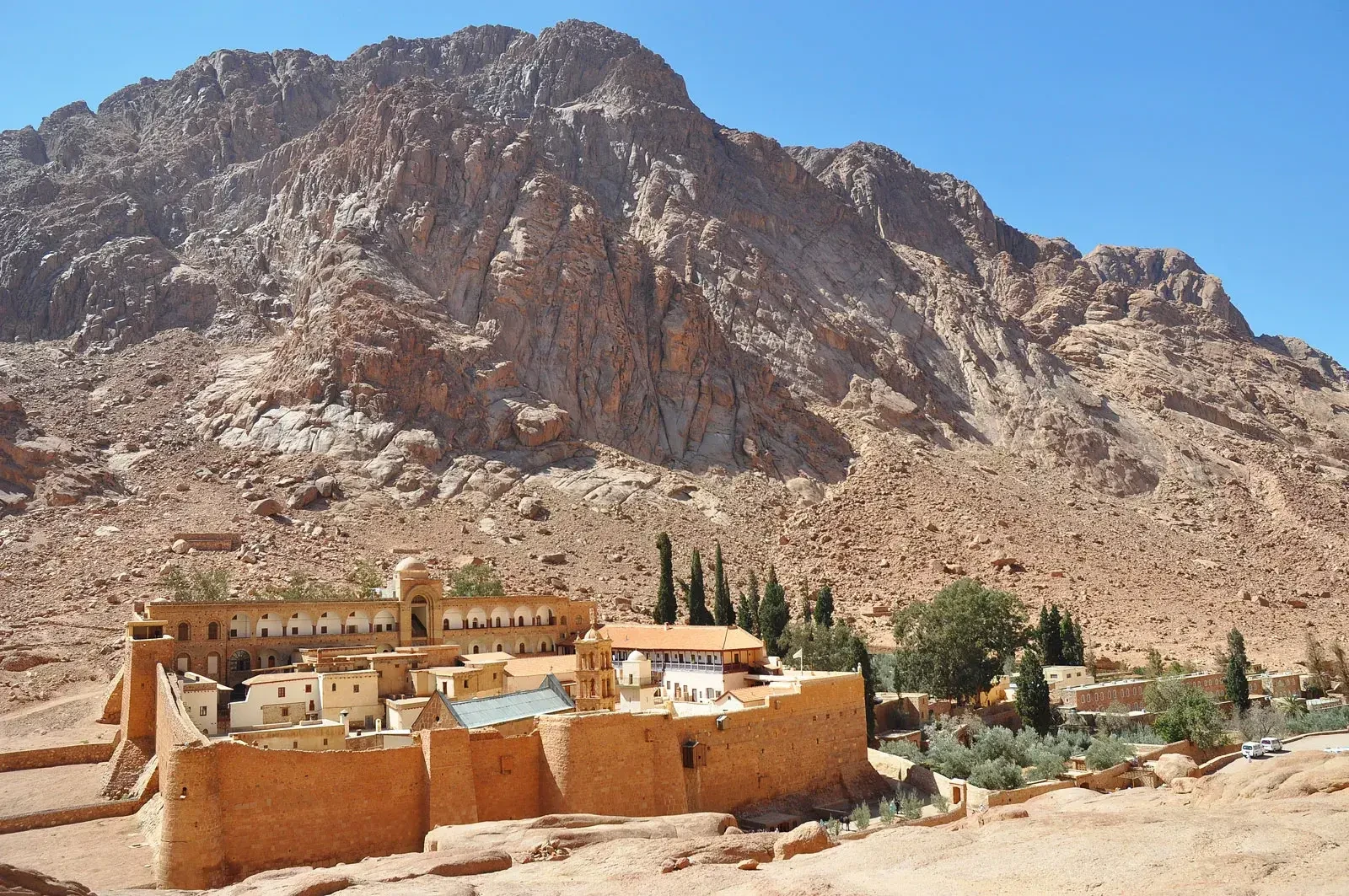
St. Catherine’s Monastery in Sinai: History, Mount Sinai & Unforgettable Views

2026-04-19 Easy Trav

St. Catherine’s Monastery is one of Egypt’s most historic and spiritual landmarks, located at the foot of Mount Sinai. It offers visitors a unique blend of ancient history, religious significance, and breathtaking mountain scenery, making it a must-visit destination in Sinai.

MORE INFORMATION
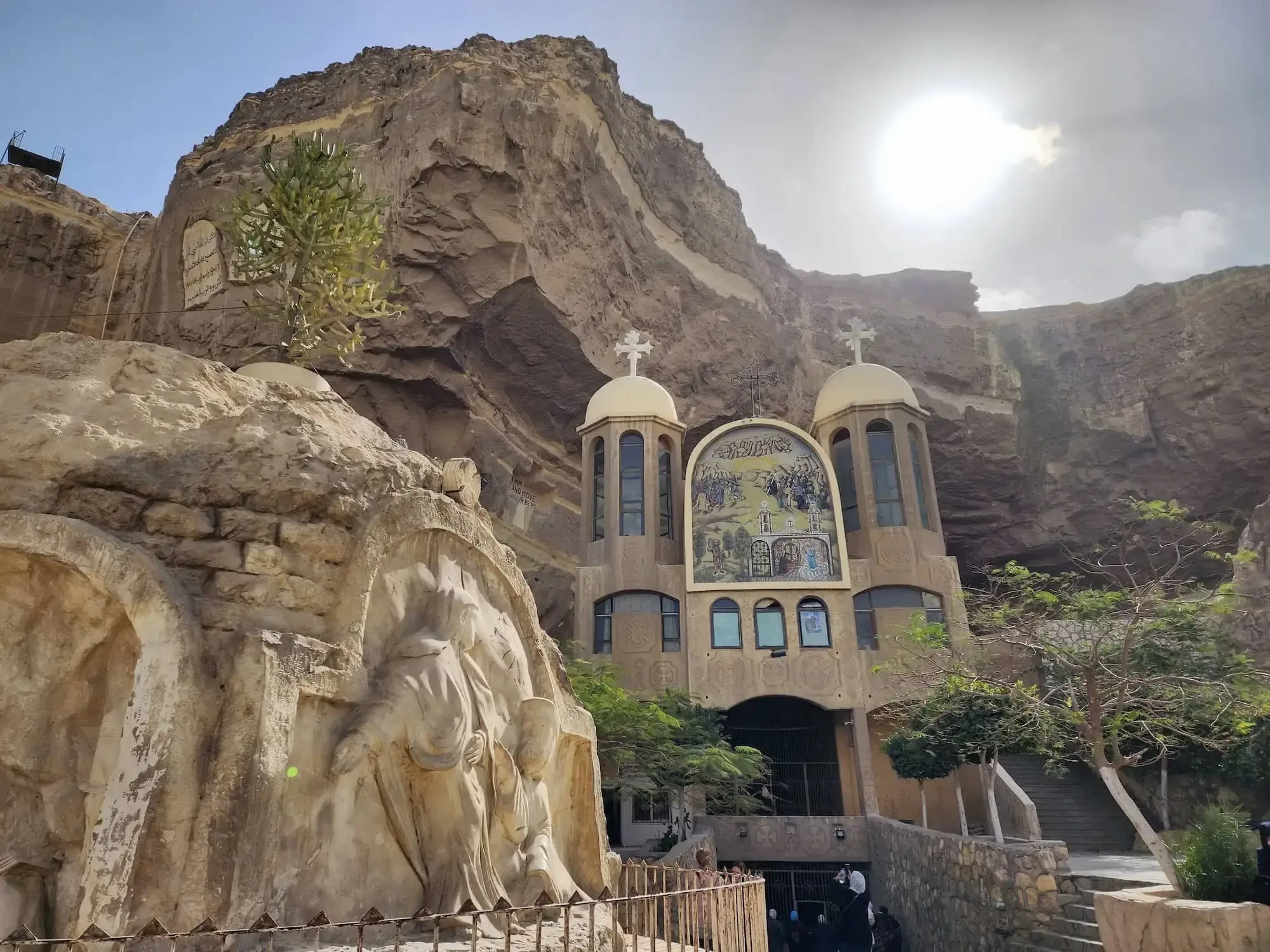
Exploring the Cave Church of St. Simon the Tanner: Cairo’s Rock-Cut Marvel

2026-04-19 Easy Trav

St. Simon the Tanner Monastery is a unique rock-cut church in Cairo’s Mokattam Hills, known for its stunning cave architecture, rich Coptic history, and powerful spiritual atmosphere, making it one of the city’s most remarkable hidden landmarks.

MORE INFORMATION
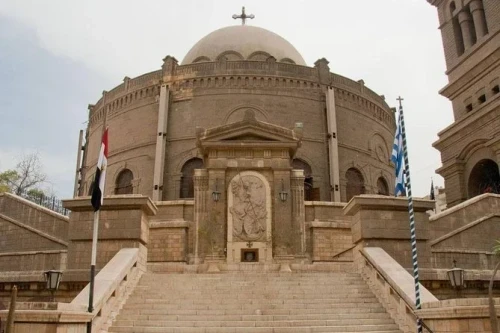
Ben Ezra Synagogue: A Historic Landmark in Old Cairo’s Coptic Heritage

2026-04-19 Easy Trav

Ben Ezra Synagogue is one of the oldest synagogues in Egypt, located in the heart of Old Cairo within Coptic Cairo. It is known for its rich history, cultural significance, and connection to the famous Cairo Genizah, making it a key landmark in Egypt’s religious heritage.

MORE INFORMATION