(2).jpg "Easy trav tourism")
 Hurghada
 Marsa Alam
 Sharm El-Sheikh
.webp "Cairo") Cairo
Cairo Marsa Matrouh
 Aswan
Aswan
Luxor Temple: A Timeless Monument in the Heart of Ancient Thebes
.jpg "Luxor Temple – Ancient Temple in the Heart of Luxor")
The east bank of the Nile River displays Luxor Temple as one of ancient Egypt's most impressive monuments. The temple served more than religious purposes because it functioned as a venue for royal ceremonies and festive events. The Egypt tour visitors experience a sense of wonder when they see the massive statues and the royal entrance and the historical elements which show two different periods of Egyptian history.
A Temple of Royal Ceremonies
The main purpose of Luxor Temple was to worship the god Amun which established a connection with the Opet Festival that served as the most significant religious observance in ancient Thebes. The festival involved the procession of god statues from Karnak Temple Complex to Luxor Temple through the renowned avenue of sphinxes. Egyptian travelers who study spiritual sites to gain complete knowledge of sacred places will visit both temples on their travel routes.
Architectural Highlights
The Grand Entrance and Obelisk
Ramses II constructed the temple entrance which he designed to function as a massive pylon. The entrance way displays a towering obelisk which functions as one of two obelisks that used to protect the entrance. The second obelisk was later moved to Paris and now stands in the famous Place de la Concorde.
Colossal Statues of Ramses II
The temple entrance displays giant seated statues of Ramses II which serve as the first thing visitors to the temple see. The impressive monuments serve as symbols which represent the power and legacy of one of Egypt's most famous pharaohs.
Courtyards and Colonnades
The temple allows visitors to explore its broad courtyard spaces while they enjoy viewing its stylish columns that feature hieroglyphic designs. The carvings show ancient Egyptian people who dedicated themselves to royal ceremonies and religious rituals and important historical events.
The Magical Atmosphere at Night
Luxor Temple provides visitors with their most special experience when they visit the temple after the sun goes down. The night-time lighting of the temple creates a stunning visual display which leaves viewers with an enduring memory. The lighting system allows visitors to see the monument through an entirely new viewing experience which reveals architectural details of the columns and statues and carvings.
Tips for Visiting Luxor Temple
The best time to visit the site occurs during evening hours because visitors can experience magical lighting while enjoying cooler temperatures.
The temple complex requires visitors to spend a minimum of one to two hours for complete exploration.
Visitors should combine their tour of the site with nearby attractions which include Karnak Temple Complex and Valley of the Kings to experience authentic Egyptian tour.
Visitors should bring a camera because the temple provides exceptional opportunities for photography.
Related Tours



Related Articles
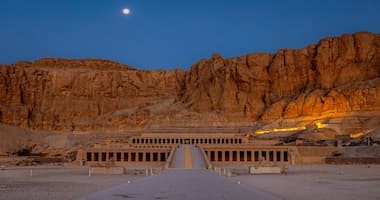
Temple of Hatshepsut: Egypt’s Architectural Marvel in Luxor
The Temple of Hatshepsut in Luxor presents visitors with an exceptional ancient mortuary temple which demonstrates Egypt's architectural excellence during their Egypt tour.
MORE INFORMATION.jpg "Valley of the Queens – Burial Site of Ancient Egyptian Royal Women")
Valley of the Queens: Discover the Hidden Tombs of Egypt’s Royal Women
The Valley of the Queens in Luxor offers visitors the chance to discover tombs that feature elaborate designs which belong to Egypt's royal queens and their princesses and family members.
MORE INFORMATION (1).jpg "Karnak Temple – Largest Ancient Temple Complex in Luxor")
Karnak Temple: The Largest Religious Complex in Ancient Egypt
During your Egypt tour, you can visit Karnak Temple which serves as one of the world's largest temple complexes, allowing you to see its immense columns and holy spaces.
MORE INFORMATION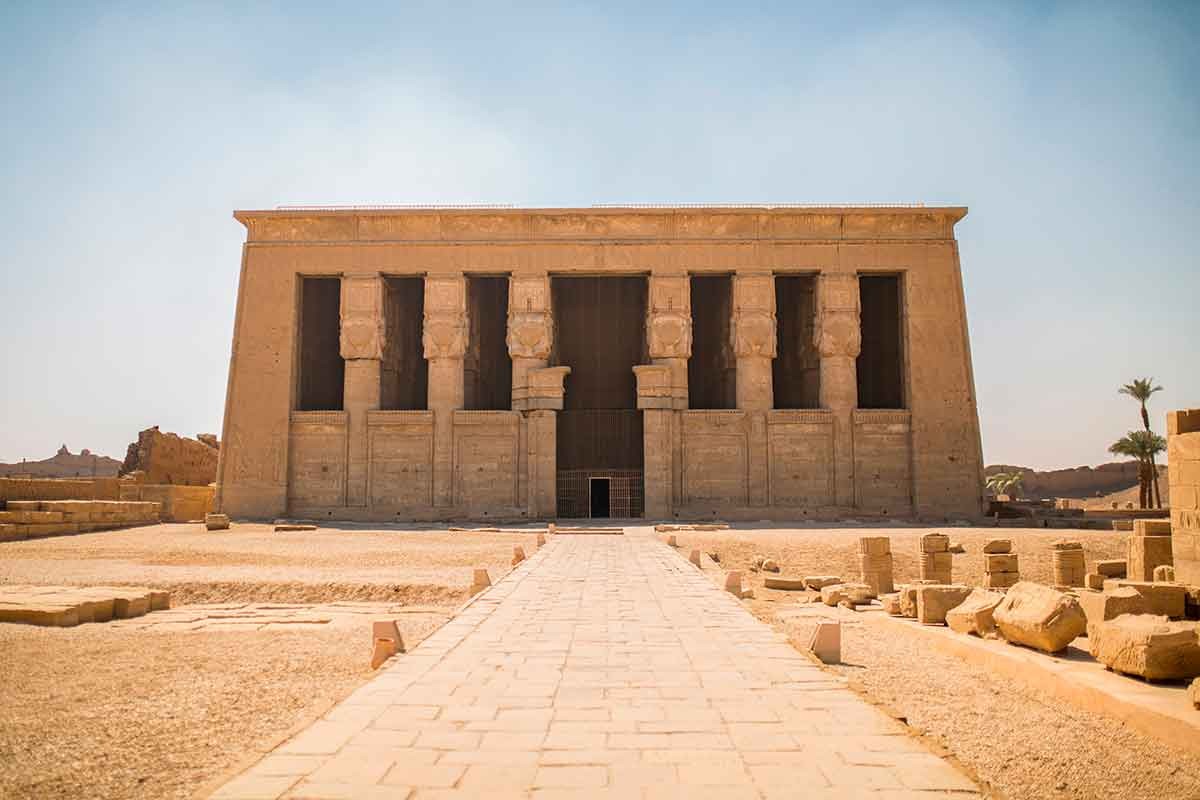
Dendera Temple: Complete Travel Guide
Dendera Temple, Egypt, is one of the best-preserved ancient temples near Luxor and, honestly, a must for history lovers to see. People go for the colorful ceilings and the detailed carvings and, of course, for the Dendera Zodiac. It tends to be a real highlight on any Luxor day trip, plus it’s counted among the top places to visit in Upper Egypt.
MORE INFORMATION.jpg "Medinet Habu – Ancient Temple Complex in Luxor, Egypt")
Medinet Habu: The Majestic Temple of Luxor
The Egypt tour brings you to Medinet Habu, which contains the mortuary temple dedicated to Ramses III, in Luxor where you can experience its majestic reliefs and its monumental pylons together with its ancient historical importance.
MORE INFORMATION (1).jpg "Valley of the Kings – Royal Tombs of Ancient Egypt in Luxor")
Valley of the Kings: The Royal Tombs of Ancient Egypt
The Valley of the Kings in Luxor allows visitors to discover secret royal tombs which contain the colorful wall decorations and unique burial customs of ancient Egyptian pharaohs.
MORE INFORMATION
Where would you like to be?
Subscribe now and unlock exclusive Egypt tour deals, insider tips on luxury Nile cruises, Pyramids adventures, and dream vacations tailored for you.