(2).jpg "Easy trav tourism")
 Hurghada
 Marsa Alam
 Sharm El-Sheikh
.webp "Cairo") Cairo
Cairo Marsa Matrouh
 Aswan
Aswan
Kom Ombo Temple: A Unique Double Temple on the Nile
 (1).jpg "Kom Ombo Temple – Twin Temple on the Nile in Aswan")
Temple of Kom Ombo stands as an elegant structure which overlooks a Nile river bend to become one of Egypts most complete architectural marvels. The Ptolemaic period first established the temple, which later received structural extensions during Roman times to create its present symmetrical architectural design. The temple dedicated itself to two deities when Sobek the crocodile god who governed fertility and power and Horus the Elder who served as the falcon-headed sky god received worship.
The temple building contains two identical sections because the temple design required clergy to worship both deities at the same time. The temple complex at Kom Ombo offers travelers in Upper Egypt who study with Egypt tour groups an experience which contrasts with all other Nile River temple complexes.
Architecture That Tells Two Stories
The temple design creates an even distribution of weight through its central axis. The first side of the temple exists to honor Sobek while the second side serves to venerate Horus. The hallways contain double rooms which have identical sandstone wall reliefs that display the same design. The columns display their floral capitals as beautiful decorations while the walls show scenes of offerings and rituals and divine ceremonies.
The temple contains ancient Egyptian carvings which date from ancient Egypt's final period and show extreme detail through their excellent preservation. The open courtyard provides excellent photo opportunities because the afternoon sun creates warm golden light which illuminates the stone surfaces.
The Cult of the Crocodile God
The people of Kom Ombo established a religious center that functioned as the main site for Sobek worship. The ancient Egyptians believed that Sobek possessed control over Nile waters during flood season while he defended Egyptian territory from hostile threats. The Egyptians considered crocodiles to be holy creatures which led to their mummification as religious sacrifices.
The Crocodile Museum today offers visitors the chance to see mummified crocodiles together with various artifacts which are on display. This cultural element brings fascinating value to every Egypt tour which shows visitors the spiritual practices of ancient Nile communities.
Ancient Medicine Carved in Stone
The temple contains an exceptional element which displays surgical instruments through its reliefs. The carvings display medical tools which look like forceps and scalpels and various other medical instruments. Historians believe these images represent ancient Egyptian medical knowledge because they demonstrate Egyptian healthcare expertise which existed more than 4000 years ago.
The site of Kom Ombo functions as a religious destination for history enthusiasts because it serves as an educational site which displays the development of scientific and medical advancements.
A Scenic Stop Along the Nile
The riverside position of Kom Ombo creates an attractive atmosphere for visitors. The temple stands at an elevation above the Nile which permits visitors to see both passing boats and the lush riverbanks. Many travelers visit as part of a Nile cruise between Luxor and Aswan making it a relaxing and visually stunning stop during an Egypt tour.
Sunset creates an atmosphere of pure magic through its enchanting beauty. The temple becomes illuminated by the changing sky colors which creates outstanding photo opportunities.
Practical Tips for Visiting
The late afternoon hours provide visitors with both cooler weather conditions and optimal lighting conditions for their activities.
Visitors can experience all of Upper Egypt when they visit both Aswan and Luxor attractions.
Visitors should wear comfortable shoes because the stone floors present uneven walking surfaces.
A guide can help visitors understand the meaning of the symbols which appear on the carving.
Related Tours
Related Articles
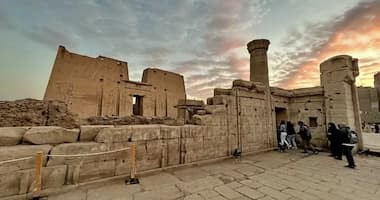
Edfu Temple: The Majestic Temple of Horus in Upper Egypt
The Edfu Temple serves as one of Egypts most well-preserved ancient temples which honors the god Horus through its breathtaking sculptures and its grand entranceway and its extensive historical heritage during your Egypt expedition.
MORE INFORMATION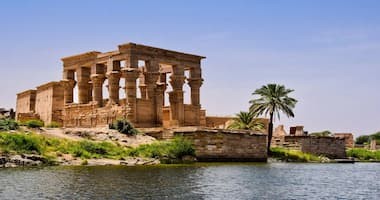
Philae Temple: Complete Guide for Visitors
The Philae Temple in Egypt requires exploration during your Egypt tour. The site offers visitors a comprehensive experience through its historical background, architectural design, riverboat access, and visitor tips that create lifetime memories.
MORE INFORMATION (1).jpg "Abu Simbel Temples – Ancient Egyptian Marvels in Aswan")
Abu Simbel Temples: Explore Egypt’s Majestic Monuments
Discover the Abu Simbel Temples on your Egypt tour. The Nubian landmark offers visitors massive statues and detailed sculptures and sunrise views together with essential information about the site.
MORE INFORMATION.jpg "Aswan Museum – Discover Nubian Culture and Artifacts")
Aswan Museum: Explore Nubian Heritage and Ancient Treasures
The Aswan Museum exhibits Nubian heritage and Pharaonic relics and special Nile exhibits for visitors to explore during their Egypt vacation.
MORE INFORMATION.jpg "Elephantine Island – Historic Nile Island in Aswan, Egypt")
Elephantine Island: Explore History and Nature
The study needs to use AI text because it is necessary to convert the content into human-readable form. Your tour of Egypt will take you to Elephantine Island. The tour will show you ancient ruins and beautiful gardens and traditional Nubian customs and peaceful views of the Nile.
MORE INFORMATION.jpg "Nubian Village in Aswan – Cultural Experience in Egypt")
Nubian Village: Cultural Gem on Your Egypt Tour
You should visit Nubian Village during your Egypt tour because it shows authentic Nubian life through its vibrant traditional customs and colorful homes and local crafts. In Aswan visitors can experience authentic Nubian culture through the vibrant local customs and traditional crafts and the colorful homes of the village.
MORE INFORMATION
Where would you like to be?
Subscribe now and unlock exclusive Egypt tour deals, insider tips on luxury Nile cruises, Pyramids adventures, and dream vacations tailored for you.