(2).jpg "Easy trav tourism")
 Hurghada
 Marsa Alam
 Sharm El-Sheikh
.webp "Cairo") Cairo
Cairo Marsa Matrouh
 Aswan
Aswan
Step Pyramid of Djoser: Egypt’s First Pyramid and Ancient Masterpiece
.jpg "Step Pyramid of Djoser – Egypt’s Oldest Pyramid in Saqqara")
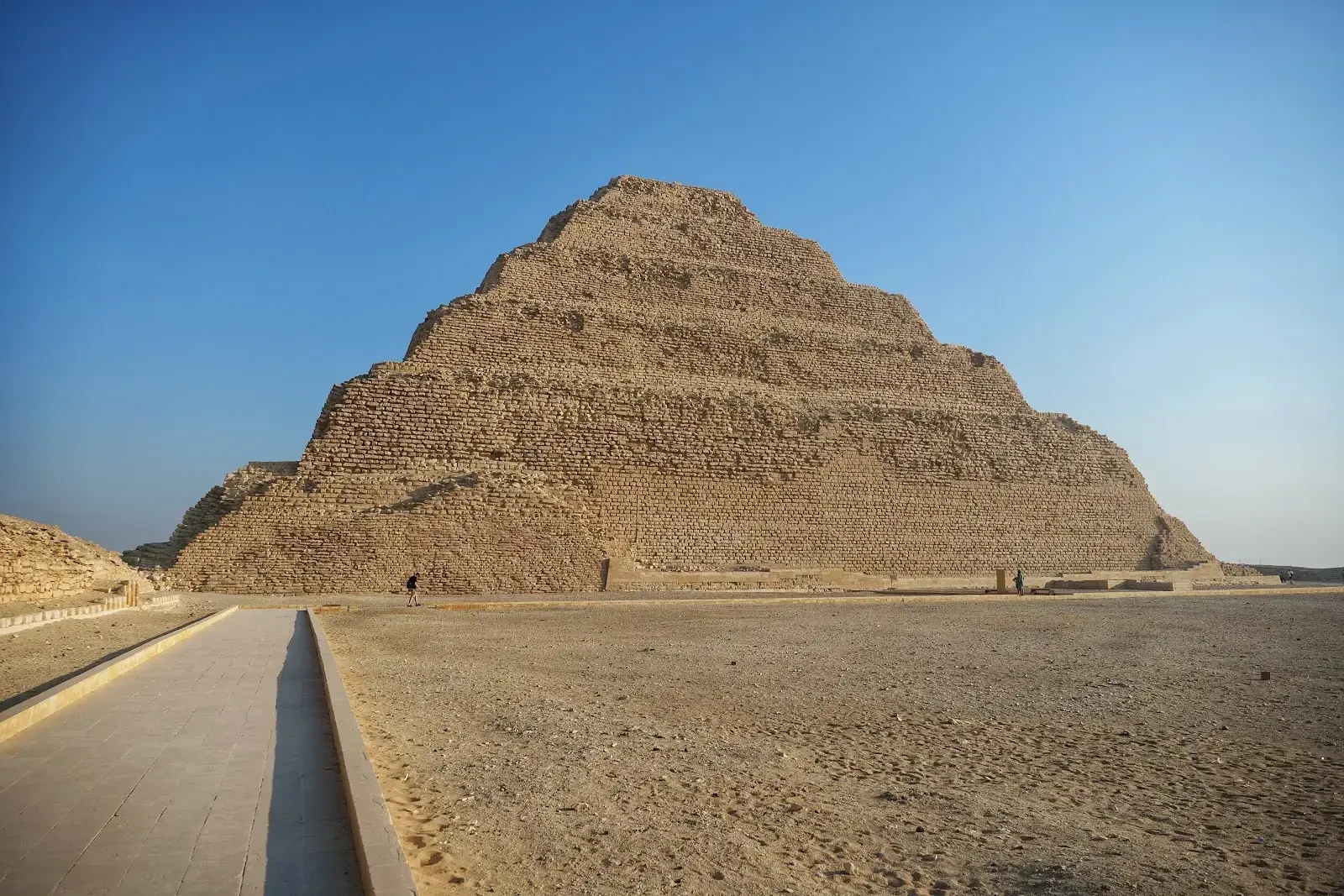
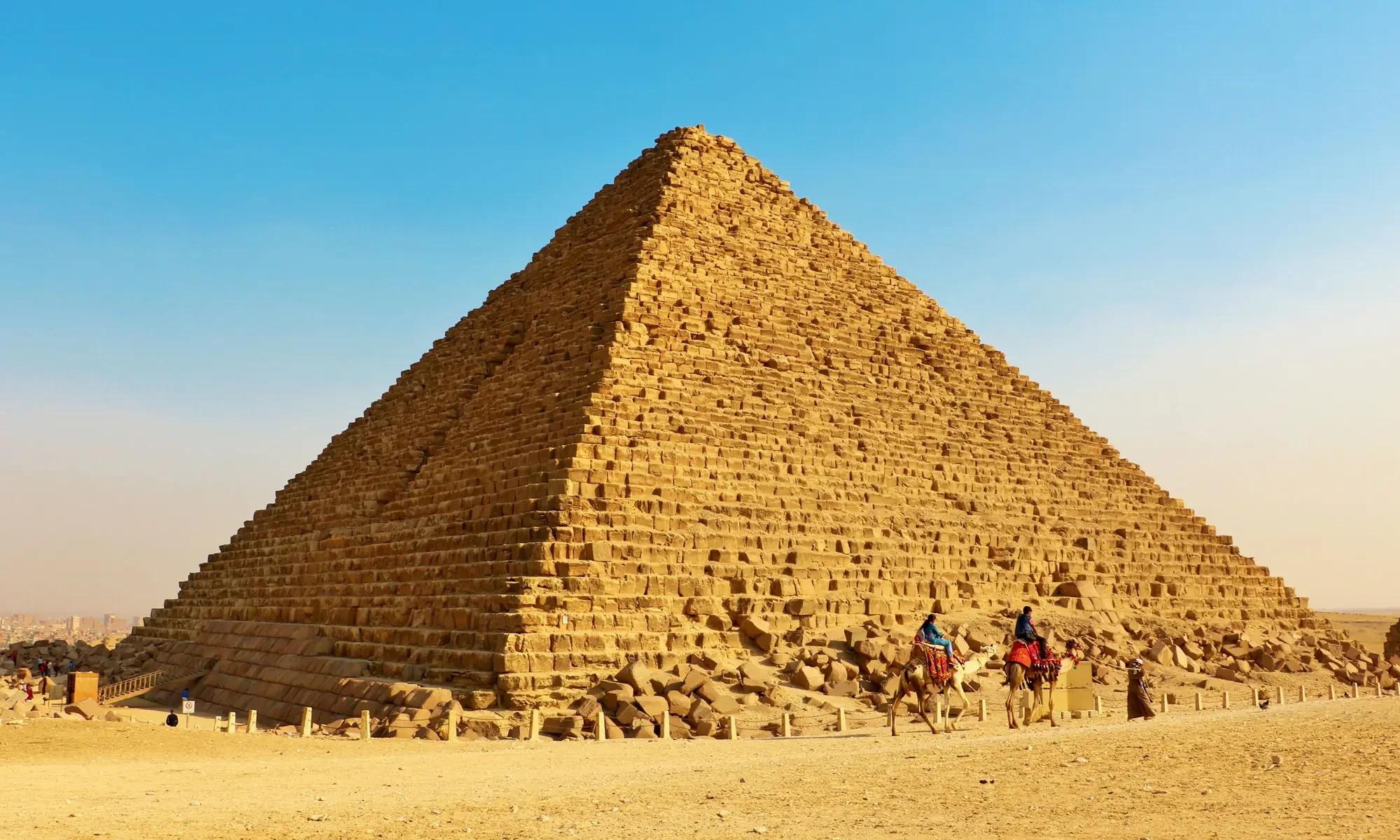
The Step Pyramid of Djoser which stands in the extensive Saqqara necropolis area serves as the world's first major stone building and stands as a key example of ancient Egyptian architectural progress. The pyramid which was built in the 27th century BCE for Pharaoh Djoser by his architect Imhotep marks the start of Egyptian pyramid construction and serves as a foundational element of Egyptian architectural development.
The Step Pyramid provides Egypt tour visitors who want to experience historical sites with an educational historical experience. The Djoser pyramid features six stepped layers which create a distinct design that shows the development of pyramid construction through different historical periods. The complex contains multiple sections which include courtyards and temples and ceremonial structures that demonstrate royal ceremonies and ancient religious activities.
The Pyramid Structure
The Step Pyramid rises to a height of 62 meters because its construction required the precise stacking of limestone blocks. Its first design introduced an architectural innovation which completely transformed the conventional design that used flat roofs and mastabas in previous pharaonic structures. People can walk through the pyramid area to see its massive size and advanced engineering features.
Surrounding Complex
The pyramid forms part of a bigger mortuary complex which contains the Heb-Sed court that served royal festivals and the South Tomb which probably represented the king's resurrection. The complex displays elaborately designed walls which contain carved niches and statues and reliefs that show ceremonial activities.
Underground Chambers
The pyramid contains an extensive network of passageways which lead to its various burial sites. People can explore the tomb through guided tours which show its spatial arrangement and traditional ancient Egyptian burial practices while creating a historical narrative that improves the Egypt tour experience.
Historical and Cultural Significance
Djoser's pyramid marks the beginning of large stone building projects which showcase Imhotep's architectural brilliance who later became a deity of building and medical knowledge. The pyramid complex functioned as a religious site for ceremonial activities and royal events while it established architectural standards that subsequent pyramids followed at Giza.
Saqqara provides travelers on an Egypt tour with a peaceful and introspective atmosphere which enables them to experience ancient Egyptian accomplishments and religious beliefs while Giza plateau remains busy with tourists.
Tips for Visiting
You should arrive at the location before midday because it helps you avoid both crowds and the high temperatures.
Visitors need to hire a certified guide who can explain all the intricate meanings behind the pyramid and its surrounding structures.
People should wear footwear that provides comfort and protection from the sun when they walk through the desert areas.
You should combine your Saqqara visit with the nearby attractions which include the Tomb of Ti and the Pyramid of Unas to experience a complete Egypt tour.
Related Tours

Related Articles
.jpg "Cairo Tower – Iconic Landmark Overlooking the City")
Cairo Tower: Panoramic Views of Egypt’s Capital
Cairo Tower offers visitors exceptional 360-degree views which include Cairo and the Nile and all nearby landmarks, thus making it an essential stop for your Egypt visit.
MORE INFORMATION
What are the top historical places in Cairo?
People can learn about Cairo's main historical sites through their Egypt tour. The city offers a variety of ancient sites and active markets and historic Islamic sites which demonstrate its extensive heritage.
MORE INFORMATION.jpg "Hanging Church Cairo – Iconic Coptic Christian Landmark")
Hanging Church Cairo: Explore Egypt’s Iconic Coptic Landmark
Your Egypt tour needs to include a visit to the Hanging Church in Cairo because the church exhibits its historical background and Coptic architectural style and its religious value.
MORE INFORMATION.jpg "Best Time to Visit Cairo – Travel Seasons & Tips")
What is the Best Time to Visit Cairo?
Find out which time period serves as the most suitable option for visiting Cairo during your Egypt tour. The ideal times to visit Pyramids and museums and bazaars and historic neighborhoods lead to your most successful journey.
MORE INFORMATION (1).jpg "Al-Azhar Park Cairo – Lush Gardens with Historic City Views")
Al-Azhar Park Cairo: Green Oasis in the Heart of the City
Al-Azhar Park provides visitors with its green gardens and its complete view of Cairo and its tranquil atmosphere which makes it an ideal stop for visitors who explore Egypt.
MORE INFORMATION.jpg "Saladin Citadel of Cairo")
Saladin Citadel of Cairo
The Saladin Citadel of Cairo serves as a historical site which visitors explore during their Egypt tour. The landmark showcases its historic building design together with its citywide views and multiple mosques and museums.
MORE INFORMATION
Where would you like to be?
Subscribe now and unlock exclusive Egypt tour deals, insider tips on luxury Nile cruises, Pyramids adventures, and dream vacations tailored for you.